Investing in an LED display is one of the most significant decisions a Malaysian business can make for enhancing visibility and customer engagement. Whether it’s a retail store in Kuala Lumpur, a corporate office in Penang, or a hotel lobby in Johor, LED screens serve as a powerful communication and marketing tool.
However, the initial purchase price of the screen is only the starting point. To evaluate the investment properly, businesses need to consider the full cost of ownership, including installation, software, maintenance, and ongoing operational expenses.
At the same time, they must also estimate the expected return. A well-planned LED investment can improve brand presence, increase customer attention, support promotions more effectively, and create a better on-site experience. When cost and ROI are assessed together, the decision becomes much clearer and more strategic.
Breakdown: Hardware, Installation, Maintenance, Software
Hardware Costs
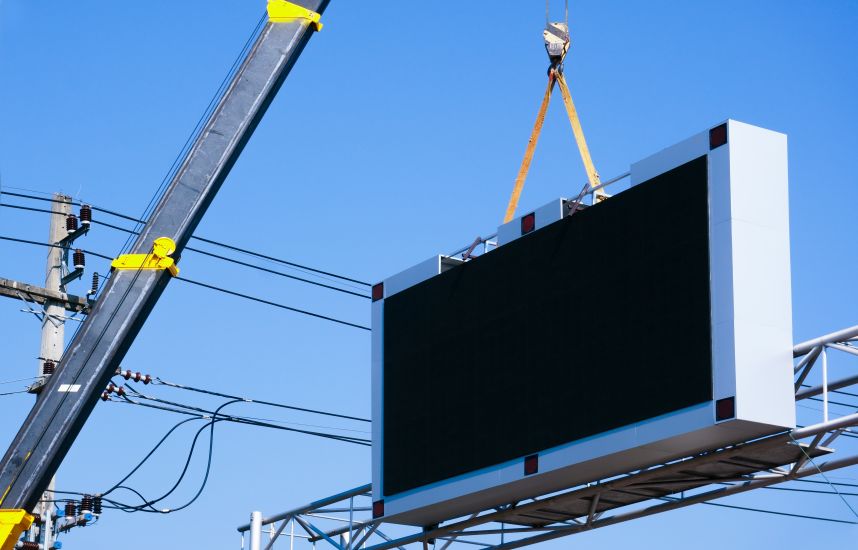
The largest portion of your LED investment usually comes from the hardware itself. This cost can vary widely depending on the project’s technical requirements and the environment in which the screen will be installed.
Key cost factors include:
- Screen type: outdoor and indoor LED displays are built differently. Outdoor units usually require higher brightness and stronger weather protection.
- Pixel pitch: This affects image clarity and viewing distance. A finer pixel pitch generally costs more but delivers better detail at a closer range.
- Size: Larger screens increase visual impact but also require more materials and incur higher installation costs.
- Brand and supplier: Product quality, warranty coverage, and after-sales support can significantly affect long-term value.
For example, a 3m × 2m outdoor LED screen with a 4mm pixel pitch may cost around RM45,000 to RM60,000, depending on the product specifications and the support package included. This is why businesses should not compare screens by price alone. They should compare based on performance, durability, and suitability for the intended use.
Installation & Labor
Proper installation is essential for both safety and performance. Even a high-quality LED screen display can underperform if it is not mounted correctly or configured to suit the site.
Installation costs usually cover:
- Professional mounting and structural support
- Electrical setup and cabling compliance
- Alignment and calibration for optimal visual output
The complexity of the site also affects installation cost. A simple indoor wall-mounted display is very different from a large outdoor screen installed on a building façade or elevated structure. Access difficulty, wiring distance, and support requirements can all increase labour costs.
Tip: Cutting corners on installation may reduce the initial quotation, but it can lead to screen failures, uneven display quality, misalignment, or even safety hazards later. In most cases, proper installation protects the investment and reduces avoidable repair costs.
Software & Content Management Systems (CMS)
Software is another important part of the total investment. A screen may look impressive physically, but its business value depends heavily on how easy it is to manage and update content over time.
A CMS allows businesses to:
- update content remotely
- Schedule promotions in advance
- manage multiple displays from one system
- track usage and performance
Typical software-related costs may include:
- One-time software license or subscription fee
- Training for in-house staff
- Cloud storage for content assets
This part of the budget is often overlooked, but it directly affects ROI. If updating the display is slow or inconvenient, the screen may not be used to its full potential. On the other hand, a good CMS helps businesses keep content fresh, relevant, and timely, which improves the value of the installation.
Maintenance & Operational Expenses
Maintenance keeps your LED screen functional, visually consistent, and reliable over time. It also helps prevent small issues from turning into expensive repair work.
Ongoing maintenance usually includes:
- Cleaning dust and debris from panels
- Firmware updates and software patches
- Periodic inspections for electrical and structural safety
Businesses should also consider electricity consumption and daily operating hours when assessing long-term costs. A screen that runs for extended periods each day will naturally have a higher operating cost than one that runs only during business hours or for specific campaigns.
As a general example, annual maintenance may range from RM2,000 to RM5,000, depending on screen size, location, and complexity. Outdoor screens may require more regular checks due to weather exposure, while larger or higher-use screens may need more structured servicing.
Ignoring maintenance can reduce brightness consistency, increase downtime, and shorten the display’s useful life. Including it in the budget from the beginning helps businesses plan more accurately and protect long-term ROI.
ROI Examples in Retail, Corporate, Hospitality
Calculating ROI is essential because it helps justify the investment with actual business value. The basic formula is:
ROI = (Revenue or Benefit Generated – Total Cost) ÷ Total Cost × 100
This formula is simple, but the outcome depends on how clearly the benefits are defined. In some industries, return comes from increased sales. In others, it may come from stronger branding, better communication, or cost savings from reduced print usage.
Retail Example
A retail business installs an LED display to promote offers, attract attention, and improve storefront visibility.
- Total investment: RM60,000
(hardware + installation + CMS) - Expected increase in sales per month: RM7,000
- Annual revenue increase: RM84,000
ROI = (84,000 – 60,000) ÷ 60,000 × 100 = 40%
In this case, the screen supports direct sales performance. The return depends on how visible the display is, how frequently content is updated, and how strong the promotions are.
Corporate Example
A corporate office installs a lobby LED display to improve brand presentation and strengthen communication with visitors and clients.
- Investment: RM50,000
- Benefit: Enhanced brand image and client engagement
(estimated value RM65,000 per year)
ROI = (65,000 – 50,000) ÷ 50,000 × 100 = 30%
This example shows that ROI is not always based on direct sales. In a corporate environment, value may come from higher-quality presentations, more professional communication, and reduced reliance on printed materials.
Hospitality Example
A hotel uses digital signage to promote room packages, events, dining offers, and guest services.
- Hotel digital signage investment: RM40,000
- Increased bookings from targeted promotions: RM10,000 per month
- Annual increase: RM120,000
ROI = (120,000 – 40,000) ÷ 40,000 × 100 = 200%
This example highlights how hospitality businesses can benefit when displays are closely tied to promotions and upselling opportunities. The stronger the content strategy and placement, the stronger the return is likely to be.
These examples show that ROI depends heavily on usage strategy, placement, and content planning. A good screen alone does not guarantee results. It must be supported by the right business objective and consistent content management.
Tips for Budgeting & Maximizing Value
To maximize value without compromising quality, businesses should plan the project carefully from the start.
- Choose the right size and pixel pitch for your audience and location. Do not overspecify or underspecify the screen.
- Plan your content strategy early so the display is used effectively from day one.
- Consider energy-efficient screens to reduce ongoing operating costs.
- Schedule regular maintenance to avoid downtime and costly repairs.
- Compare suppliers based on warranty, quality, and after-sales service, not just headline price.
It is also helpful to define the screen’s main purpose before finalising the budget. If the goal is to drive sales, the ROI model should focus on promotional impact. If the goal is branding or communication, the benefits should be assessed differently. A clear objective helps businesses choose the right system and measure success more accurately.
Conclusion
Investing in an LED display can transform business communication, strengthen customer engagement, and improve the overall experience of a space. However, the strongest results usually come from careful planning rather than price comparison alone.
By evaluating hardware, installation, software, maintenance, and expected return together, businesses can make better decisions and avoid unnecessary costs. A well-managed LED display is not just a screen. It is a long-term business asset that can support marketing, operations, and brand visibility in a meaningful way.


